





Introduction
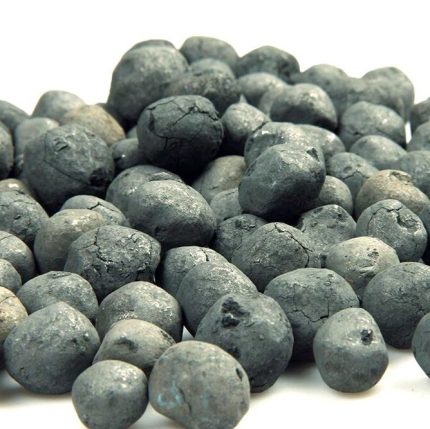
Pig iron, also known as crude iron, is an intermediate good used by the iron industry in the production of steel. It is developed by smelting iron ore in a blast furnace. Pig iron has a high carbon content, typically 3.8–4.7%, along with silica and other dross, which makes it brittle and not useful directly as a material except for limited applications.
Pig iron is the intermediate product of smelting iron ore with a high-carbon fuel such as coke, usually with limestone as a flux. Charcoal and anthracite have also been used as fuel. Pig iron has a very high carbon content, typically 3.5 to 4.5%, which makes it very brittle and not useful directly as a material except for limited applications.
Shipping and Logistic
Merchant pig iron is generally handled, transported, and stored a number of times prior
to being used for steel or iron castings production:
a) within the production site from caster to temporary storage
b) to trucks and rail cars for transfer to the bulk terminal
c) within outbound bulk terminals for temporary storage
d) to vessels for maritime carriage to inbound bulk terminals
e) to barges, trucks, and rail cars for delivery to customers
f) within stockyard of customer site
Pig Iron Ingot Handling
At the production site, pig iron ingots can be loaded into trucks or rail cars by the use of
traditional equipment, such as front-end loaders, mobile cranes with grabs and magnets.
For heavy and coarse materials, trimming grabs are the most efficient solution. Trimming
grabs are in operation for handling coarse materials like stones, ferro-chrome, pig iron,
DRI and HBI. Trimming grabs are special grabs with a very wide opening and large
footprint which is extremely efficient during cleaning-up operations. Because the shells
have a “horizontal closing path†the bulk material is “scraped togetherâ€, instead of taking a
bite out of the material. This makes it possible to ensure a good filling of the grab without
having to penetrate the material.
Specification





Reviews
There are no reviews yet.