








Introduction
Bitumen 60/70, a standard penetration grade, is highly valued for road construction and high-quality asphalt pavements. Derived from crude oil distillation, it undergoes softening point testing, ensuring superior performance.
Applications:
- Road Construction: Due to its balanced hardness and softness, Bitumen 60/70 is widely used in HMA for paving roads in mild regions. Its viscosity allows it to bind well with aggregates, creating a durable and flexible pavement layer.
- Specialized Projects: This grade of bitumen is also suitable for high-demand applications like airport runways and high-traffic coastal roads, where a strong, durable binder is essential to withstand the wear and tear of constant traffic and exposure to moderate environmental conditions.
- Waterproofing and Asphalt Primers: Bitumen 60/70’s adhesive properties make it useful for waterproofing applications and as a primer for asphalt layers, providing an additional layer of protection against moisture.
- Road Construction: The primary use of Bitumen 60/70 is in hot mix asphalt for constructing base layers and wearing courses of roads, especially in regions with moderate temperatures. Its balance between hardness and flexibility makes it ideal for road surfaces that need to withstand traffic loads while remaining resistant to cracking or deformation.
- Emulsions and Cut-back Bitumen: Bitumen 60/70 is also a key component in producing asphalt emulsions and cut-back bitumen, which are used for road surface treatments, priming, and tack coats. These products require bitumen with high adhesive properties to bond well with aggregates and provide long-lasting road layers.
- Modified Bitumen: This grade is often used as a base for modified bitumen, where polymers are added to improve its performance in extreme weather conditions, making it suitable for high-stress applications like airport runways or high-traffic highways.
Shipping and Logistic
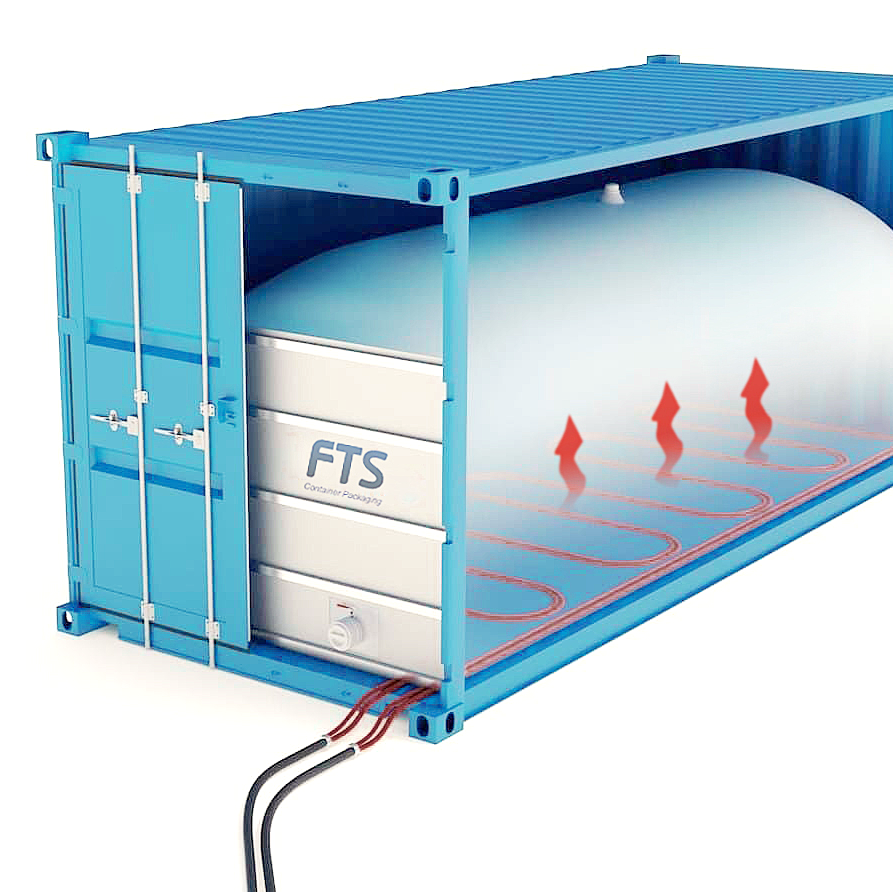
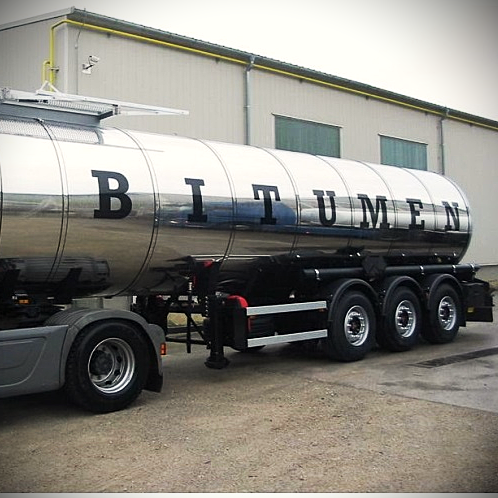
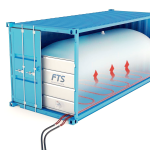
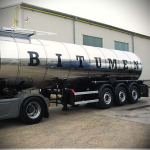
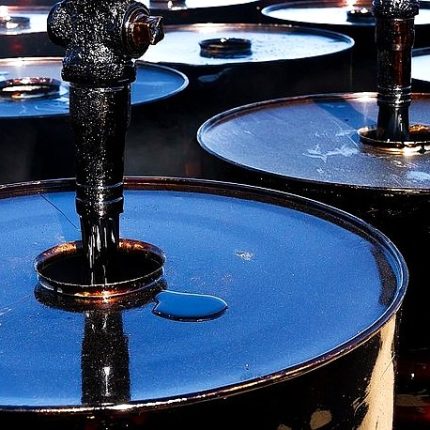
Transporting and storing Bitumen 60/70 requires special precautions to maintain product quality and ensure safety. The transportation of bitumen is typically carried out using bitumen tankers, heated bulk containers, or drums. Heated tanks are essential for maintaining the fluidity of bitumen during transport, as it can solidify if cooled.
For safe storage, Bitumen 60/70 should be kept in insulated storage tanks at temperatures ranging from 150°C to 180°C. This ensures that the bitumen remains fluid and easy to work with. It’s crucial to avoid exposing bitumen to water, snow, or cold environments, as these elements can degrade the product and reduce its effectiveness.
Packing BITUMEN 60/70 IN:
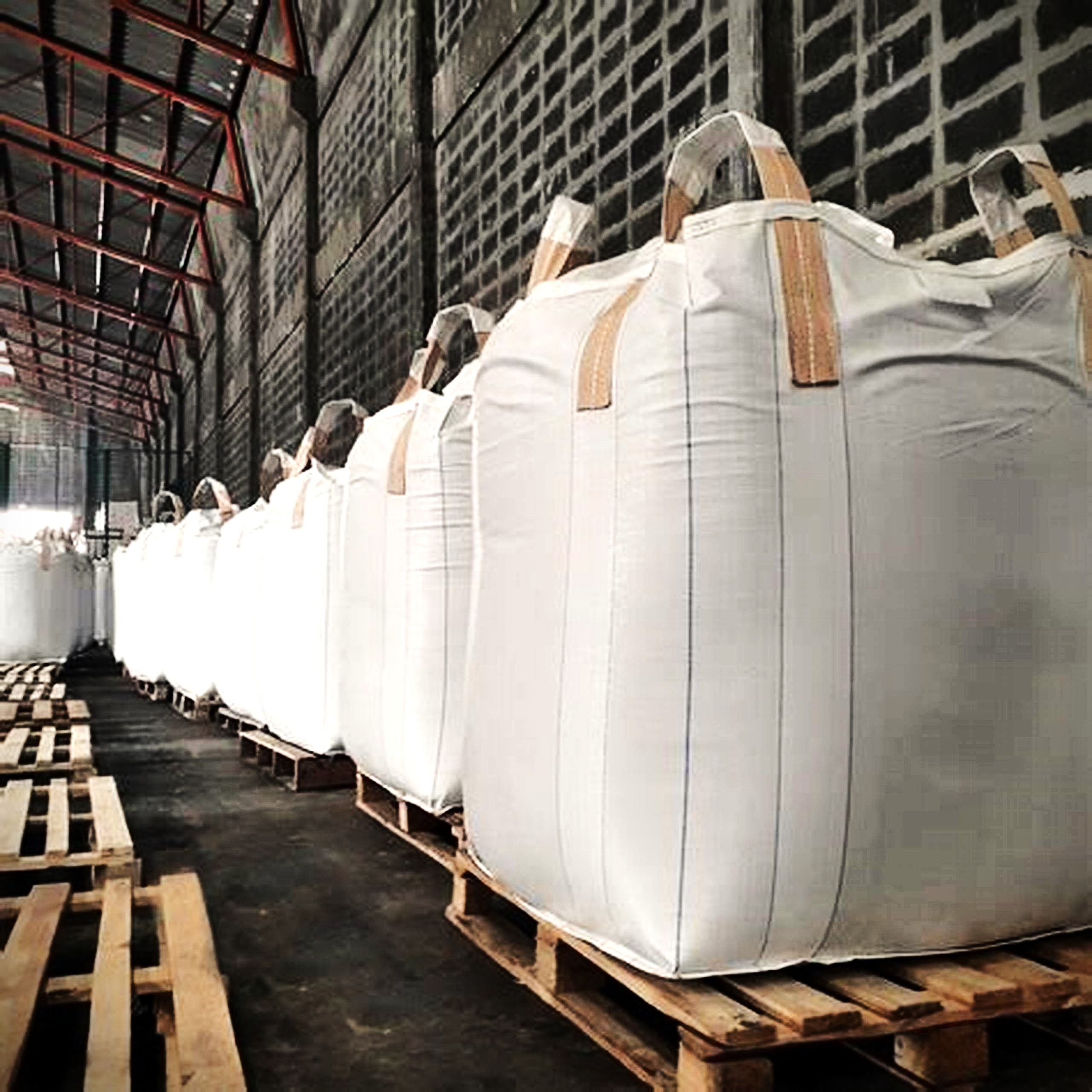
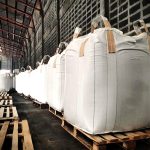
1 MT JUMBO BAG WITH A STEEL CAGE AND PALLET
1 MT JUMBO BAG WITHOUT CAGE AND PALLET
1300 KG JUMBO BAG
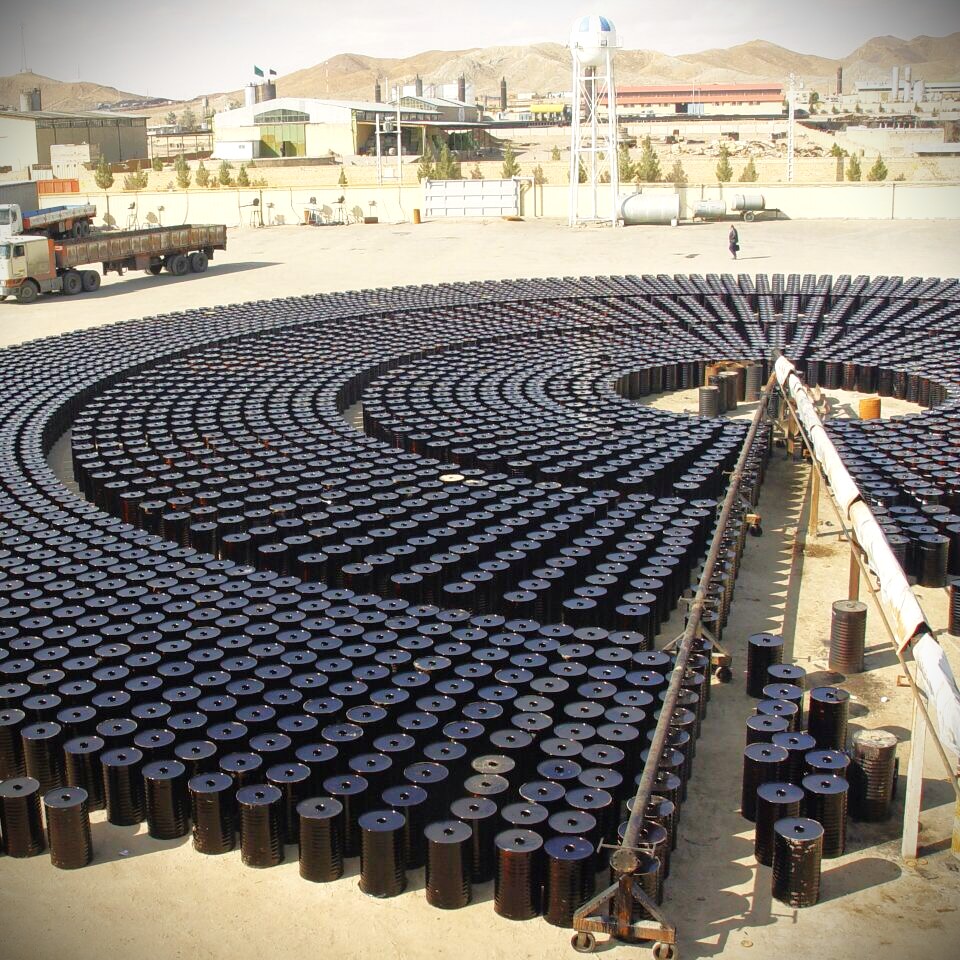
180 KG NEW STEEL DRUM
BULK IN TANKER
BULK IN FLEXI BAG
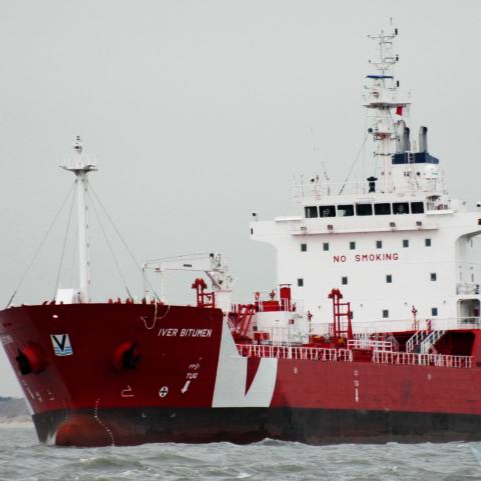
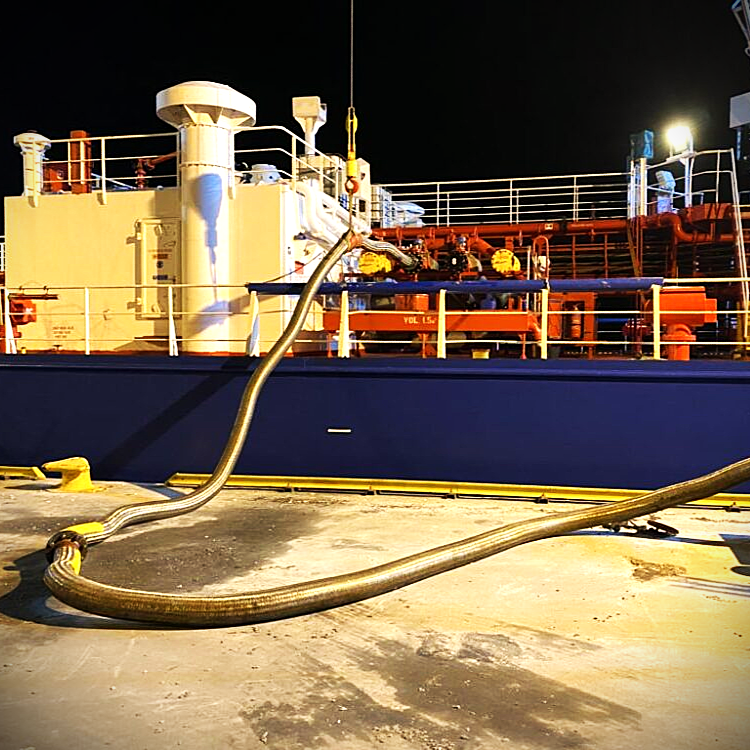
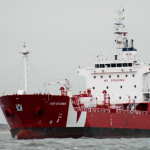
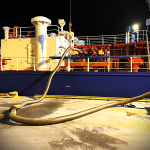
BULK IN VESSEL
Specification
| BITUMEN 60/70 | TEST METHOD | UNIT | SPECIFICATION |
|---|---|---|---|
| Specific gravity @ 25/25 °c | ASTM D70 | Kg/cm³ | 1.01-1.06 |
| Penetration @ 25°c | ASTM D5 | mm/10 | 60-70 |
| Softening point °c | ASTM D36 | °C | 49-56 |
| Ductility @ 25°c | ASTM D113 | cm | 100 min |
| Loss on heating(wt) % | ASTM D6 | wt % | 0.2 max |
| Drop in Penetration after heating % | ASTM D5-D6 | % | 20 max |
| Flashpoint °c | ASTM D92 | °C | 232 min |
| Solubility is CS2(wt) % | ASTM D4 | wt % | 99 max |
| Spot test | A.a.s.h.o.t102 | – | Negative |
Reviews
There are no reviews yet.