






Introduction
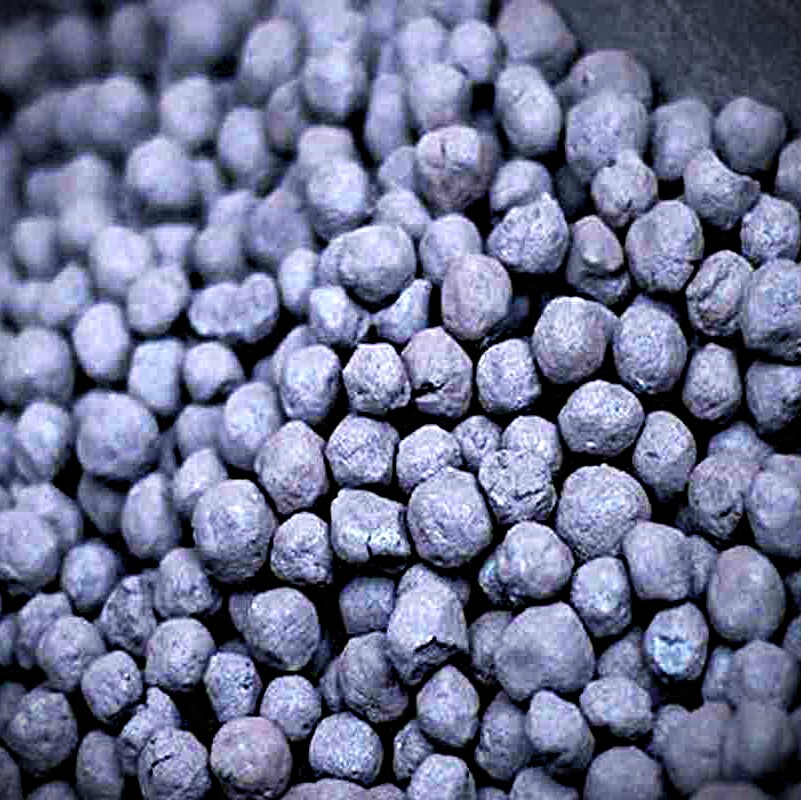
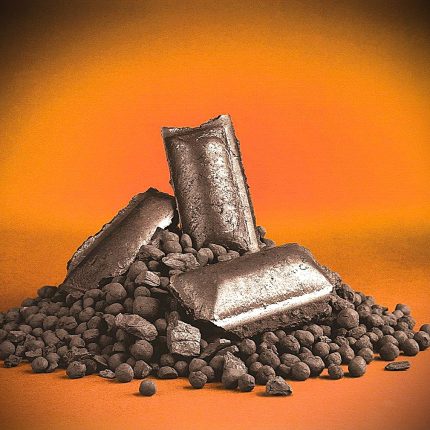
Direct reduction refers to solid-state processes which reduce iron oxides to metallic iron at temperatures below the melting point of iron. Reduced iron derives its name from these processes, one example being heating iron ore in a furnace at a high temperature of 800 to 1,200 °C (1,470 to 2,190 °F) in the presence of the reducing gas syngas, a mixture of hydrogen and carbon monoxide, or pure hydrogenShipping and Logistic
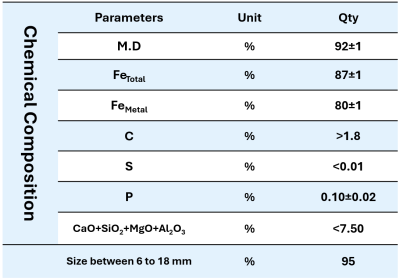
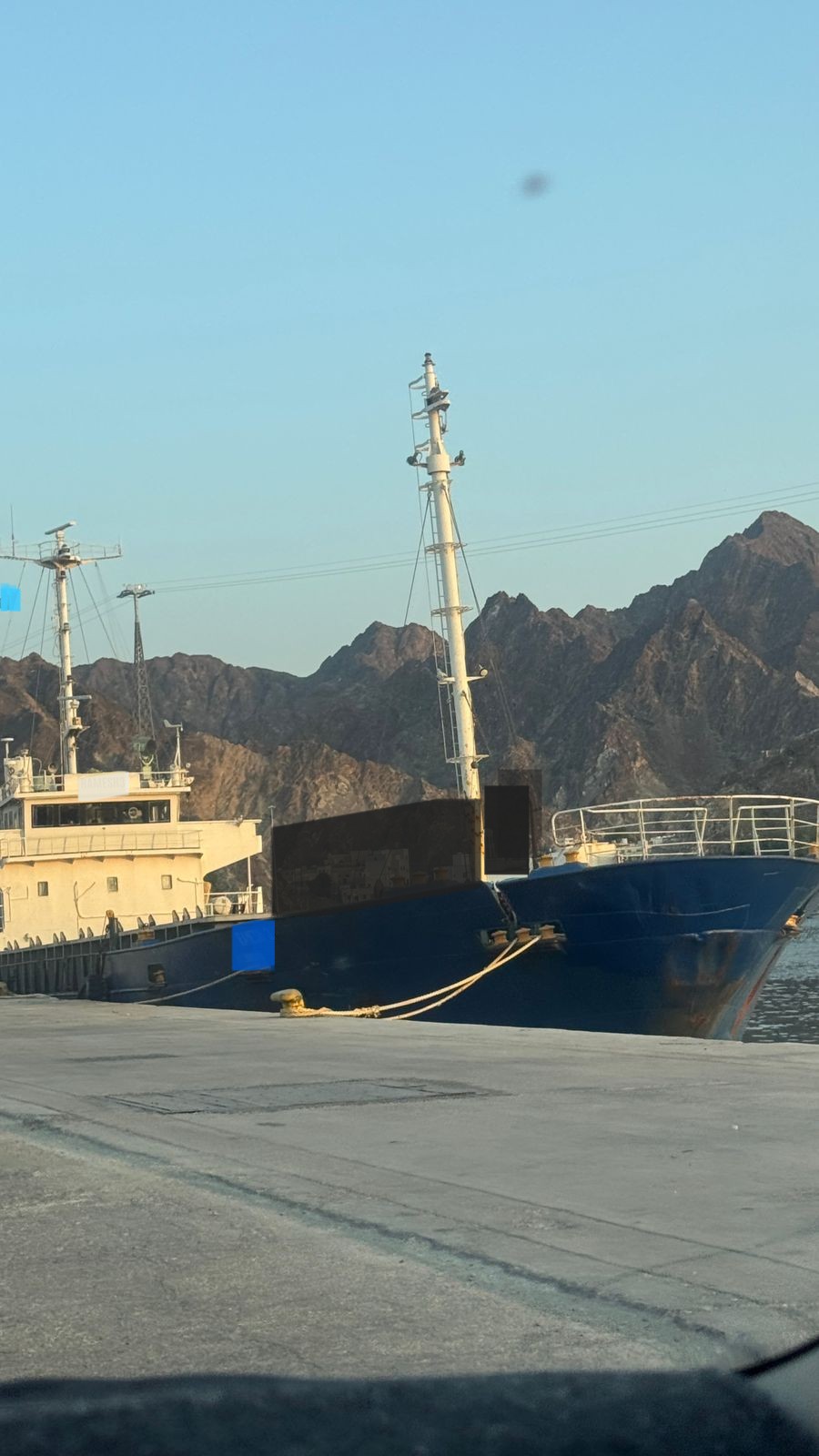
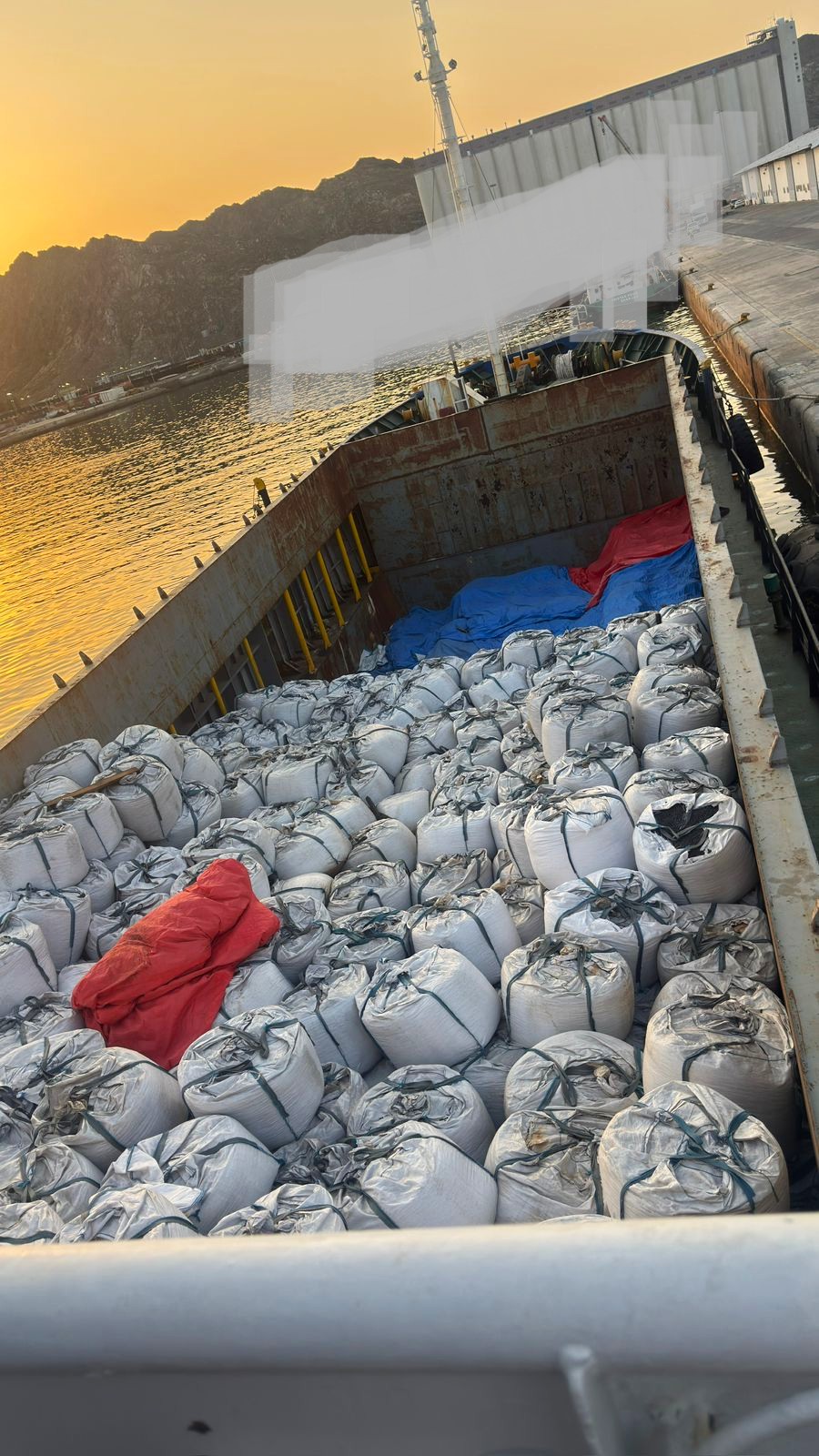
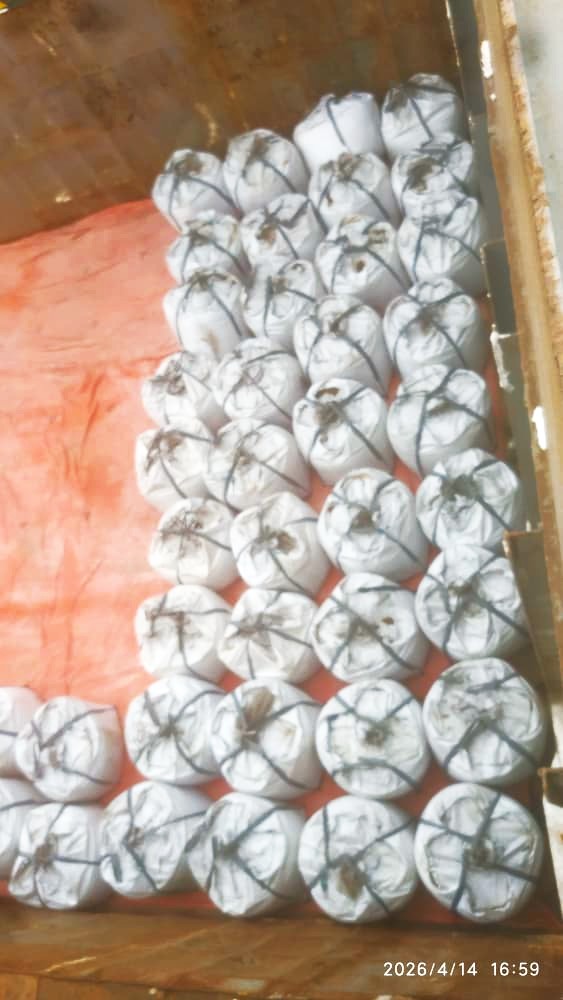
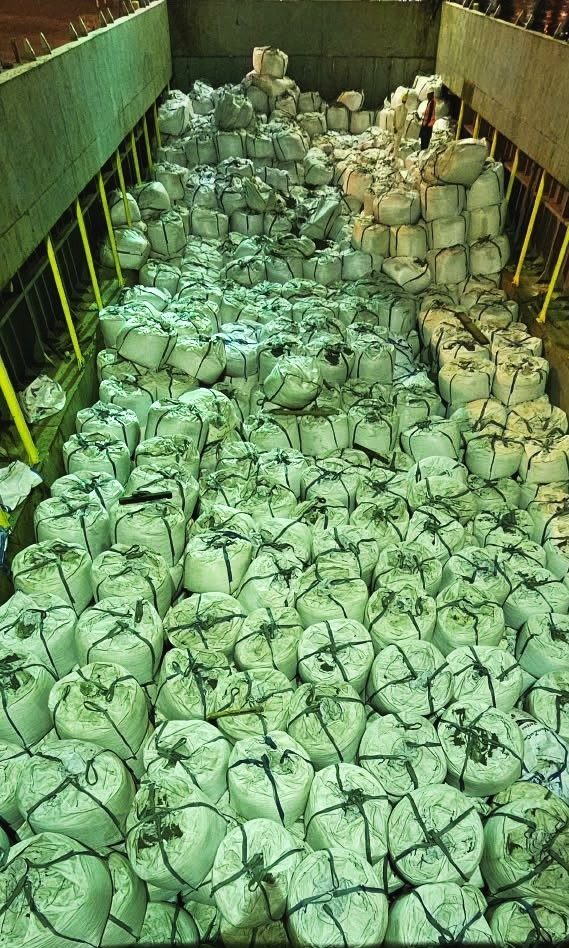
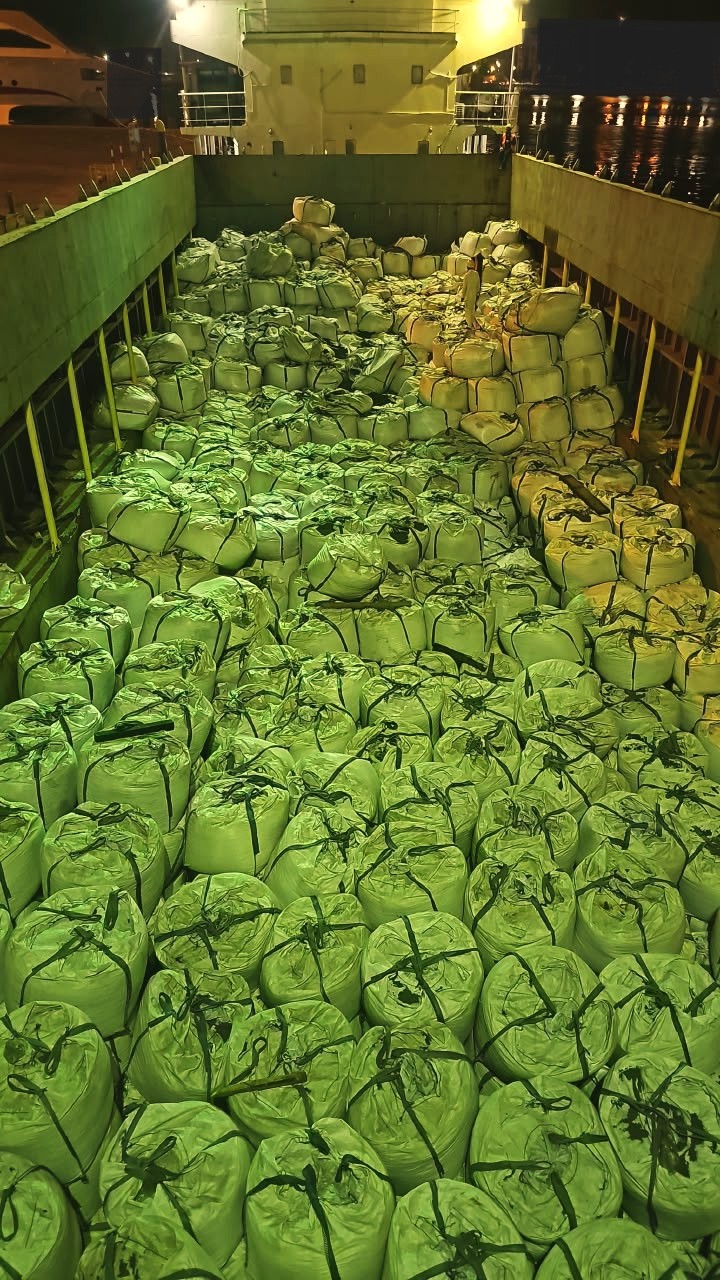
Direct-Reduced Iron (DRI) shipping involves the transportation of Direct-Reduced Iron (DRI) , also known as sponge iron, from production facilities to steel mills or other end-users worldwide. DRI is an iron ore product that has been reduced to metallic iron by removing oxygen, and it serves as a raw material for the production of steel in electric arc furnaces or other steelmaking processes. Shipping Direct-Reduced Iron (DRI) requires careful planning and attention to ensure the safety of personnel, the integrity of the cargo, and minimal environmental impact. Here are some key considerations for Direct-Reduced Iron (DRI) shipping: 1. Direct-Reduced Iron (DRI) Packaging and Protection: Direct-Reduced Iron (DRI) is typically shipped in the form of pellets, briquettes, or lumps. It is sensitive to moisture, and contact with water or humidity can cause the material to re-oxidize, generating heat and potentially leading to fires or explosions. Therefore, Direct-Reduced Iron (DRI) must be packaged and protected adequately, often in sealed containers or water-resistant bags, to prevent exposure to moisture during transportation. 2. Direct-Reduced Iron (DRI) Loading and Unloading: The loading and unloading of Direct-Reduced Iron (DRI) must be carefully planned and executed, as the material is sensitive to moisture and can pose a risk to personnel and equipment if not handled correctly. Specialized equipment, such as grab cranes, may be required to load and unload the Direct-Reduced Iron (DRI) safely. Proper lifting and securing methods must be employed to avoid accidents and minimize exposure to moisture. 3. Direct-Reduced Iron (DRI) Stowage and Securing: Direct-Reduced Iron (DRI) must be properly stowed and secured on the ship to prevent shifting during transit, which could lead to damage or accidents. The cargo should be stored away from sources of moisture or water, and suitable dunnage (wooden or other materials) should be used to prevent damage and facilitate ventilation. The Direct-Reduced Iron (DRI) should be secured with chains, wire ropes, or other appropriate securing devices to ensure it remains in place during transportation. 4. Ship Selection for Direct-Reduced Iron (DRI): The choice of ship for Direct-Reduced Iron (DRI) shipping will depend on the size, weight, and quantity of the cargo, as well as the destination and any specific requirements of the shipment. Bulk carriers, specifically designed for carrying dry cargo in bulk, are commonly used for this purpose. The ship should be equipped with appropriate ventilation systems and moisture monitoring devices to ensure the safety of the cargo. 5. Direct-Reduced Iron (DRI) Shipping Safety and Environmental Considerations: Shipping Direct-Reduced Iron (DRI) requires adherence to relevant safety and environmental regulations, as well as best practices to ensure the safety of personnel and minimal impact on the environment. This may include proper handling, storage, and disposal of waste materials, as well as the implementation of safety measures to prevent accidents during loading, unloading, and transportation. 6. Direct-Reduced Iron (DRI) Shipping Documentation and Customs: Proper documentation, such as bills of lading, packing lists, and certificates of origin, must be prepared and submitted to relevant authorities to ensure a smooth shipping process. Compliance with customs regulations and requirements at the origin and destination ports is also essential to avoid delays and additional costs. In conclusion, Direct-Reduced Iron (DRI) shipping is an important component of the global steel supply chain, and careful planning and execution are necessary to ensure the safe and efficient transportation of this valuable cargo.Specification





Reviews
There are no reviews yet.